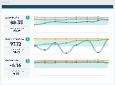


Real-time speech analytics is the live processing of spoken conversations as they happen. It uses AI to transcribe speech, detect sentiment and emotion, identify intent, and flag compliance risks instantly. Unlike historical analytics, which reviews conversations after they end, real-time solutions empower agents and supervisors to act in the moment. This enables proactive problem resolution, live coaching, and dynamic adaptations that can turn potentially negative experiences into positive outcomes during the interaction itself.
How does real-time speech analytics work?
Real-time speech analytics works by capturing and processing live conversations through integrated call or meeting systems. After capturing spoken conversations, the technology proceeds as follows:
- AI-driven speech recognition transcribes the audio in milliseconds
- Natural language processing (NLP) interprets meaning, detects sentiment, and identifies key topics or risks
- Acoustic analysis evaluates tone, pitch, and pacing to assess emotional state
This combined analysis triggers automated alerts, prompts, or escalation workflows in real time.
How does real-time speech analytics improve agent performance?
Real-time speech analytics improves agent performance by providing live, on-screen prompts for next-best actions reminders when compliance language is required (particularly useful for identifying customer vulnerability), or suggestions for phrasing that has proven effective in similar situations. This guidance helps agents de-escalate tense calls, address objections, and improve customer satisfaction without pausing to search for resources.
Can supervisors and managers act on real-time insights during calls?
Yes, supervisors and managers can act on real-time insights immediately during live calls. They can:
- Monitor flagged calls in progress and discreetly intervene
- Provide live coaching via chat
- Reassign cases to specialized agents
This allows for immediate damage control and service recovery before the customer ends the interaction.
What KPIs does real-time speech analytics improve?
Real-time speech analytics commonly improves several KPIs, delivering these benefits:
- Higher first contact resolution (FCR)
- Lower average handle time (AHT)
- Improved Compliance Adherence
- Reduced customer effort score (CES)
- Increased customer satisfaction (CSAT)
In sales environments, it can also improve conversion rates by suggesting the right offers at the right moment.
How does real-time analytics enhance compliance and risk management?
Real-time analytics enhance compliance and risk management through alerts that can flag missing or incorrect disclosures, detect prohibited phrases, and recognize emotionally charged situations that may require a policy-based response. This provides the customer service or support agent with a chance to course correct in the moment, preventing regulatory violations and minimizing brand risk before issues escalate.
Which industries benefit most from real-time speech analytics?
Real-time speech analytics benefits the following industries the most:
- Financial services & collections: ensures compliance while resolving payment or accounting disputes on the spot.
- Healthcare: improves patient communication and helps avoid administrative missteps during intake calls.
- Retail & eCommerce: recovers sales opportunities when customers voice concerns.
- Tech & SaaS: guides support agents to resolve technical issues efficiently while maintaining a positive tone.