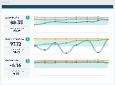


Product experience covers every thought, feeling, and perception a customer has about a product, from their first encounter through continuous, ongoing use. It’s shaped by several key attributes:
- usability
- features
- design
- value for money
- the emotional satisfaction a product delivers
Positive product experiences are necessary for business growth as they strengthen brand loyalty, increase adoption rates, and generate advocacy. Organizations today increasingly rely on direct customer interactions and usage data to improve product experience throughout a product’s lifecycle.
Why is product experience essential to brand growth?
A positive product experience is essential to brand growth, driving repeat use, higher Net Promoter Scores (NPS), better reviews, and organic growth through referrals. Conversely, poor experiences can lead to churn, negative reviews, and even damage to the brand.
What’s the difference between product experience and customer experience?
Product experience is focused on the direct interaction between a user and the product, while customer experience encompasses every engagement a customer has with the business. This includes marketing materials, sales, service, and product use. Product excellence is essential, but it must be part of a broader positive customer experience to support lasting customer loyalty.
How can companies improve product experience?
To improve product experience, companies should begin with gathering high-quality feedback to identify gaps between customer expectations and product performance. This may involve analyzing conversation data, usage analytics, and support interactions. Insights are then used to prioritize feature enhancements, refine design, improve onboarding, and address pain points.
How should product experience be measured?
Measuring product experience effectively requires comprehensive insights gathered via conversation intelligence tools. While surveys, focus groups, and usability tests provide important input, they often miss broad user sentiment and real-world feedback. Conversation intelligence tools can capture and analyze every mention of a product across support calls, social media, reviews, and chat, for a more complete and accurate view.
How does product experience impact brand loyalty?
Product experience is one of the most significant drivers of brand loyalty because a product’s performance represents a brand’s promises. Products that consistently meet or exceed expectations become a core reason customers stick with a brand. When a product is intuitive, reliable, and valuable, it fosters trust that extends to the entire brand ecosystem.