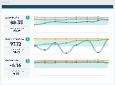


AI-powered conversation intelligence (CI) is the core technology that enables CX automation by turning unstructured customer interactions into structured, real-time insights that drive automated decisions, actions, and workflows. This actionable data improves CX while reducing operational costs. By capturing, analyzing, and acting on every omnichannel customer conversation, organizations can identify needs faster, automate responses, and deliver consistent, personalized experiences at scale.
What is CX automation and how does it relate to conversation intelligence?
CX automation is the application of AI and analytics to automatically handle repetitive, predictable, or data-driven customer service tasks, reducing manual workload while maintaining or improving quality, and enabling human agents to focus on more complex issues. Conversation intelligence powers this by extracting meaning, sentiment, and intent from customer conversations, making automation context aware and customer specific. In addition, conversation intelligence can reveal patterns and pain points in interactions, helping teams identify which tasks and workflows should be automated in the first place for maximum impact and efficiency.
How can real-time analytics trigger automated customer actions?
Real-time AI analysis can instantly detect high-priority signals such as customer urgency, compliance triggers, or buying intent mid-interaction and automatically initiate follow-up actions like sending a confirmation email, escalating to a specialist, or triggering a discount offer. This closes the gap between insight discovery and execution, often within seconds.
What are examples of tasks that can be automated without losing the human touch?
Tasks that can be automated without sacrificing the human touch include after-call summaries, compliance verification, routing high-priority inquiries, identifying churn signals, and sentiment-based escalation. Instead of replacing agents, AI augments them, freeing agents for complex or emotional interactions where empathy and creativity are key.
How does CX automation improve operational efficiency?
CX automation significantly improves operational efficiency by removing repetitive manual steps like logging calls, manually flagging compliance issues, or routing inquiries. This allows customer service teams to handle higher volumes with existing resources. This impacts the following key operational efficiency metrics:
- Reduces average handle time (AHT)
- Increases first contact resolution (FCR)
- Improves service consistency across channels
What ROI can companies expect from CX automation?
Organizations implementing AI-driven CX automation can expect a strong return on investment (ROI) derived from a combination of cost savings and higher revenue opportunities created by faster, more accurate responses. The expected returns often include reduced operational costs, improved agent productivity, higher NPS/CSAT scores, and faster service delivery.