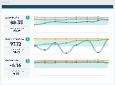


The best way to measure the impact of CX automation and conversational AI is by using a balanced set of metrics that track both operational gains (like efficiency and cost savings) and experience improvements for customers and employees. This focus is critical to proving ROI and guiding optimization.
Which KPIs best measure the success of CX automation?
CX automation is best measured through key performance metrics that include first call resolution (FCR), average handle time (AHT), cost per contact, and volume of automated resolutions. Increases in these metrics’ performance often correlate directly with ROI from automation initiatives.
How do organizations track improvements in customer satisfaction from AI?
Organizations track improvements in customer satisfaction and experience by monitoring changes in primary indicators such as Net Promoter Score (NPS), Customer Satisfaction Score (CSAT), and Customer Effort Score (CES). Linking these indicators back to specific automated processes (like proactive outreach or sentiment-based escalation) provides clear cause-and-effect evidence.
What are good measures of employee experience improvements resulting from conversational AI and CX automation?
Good measures of employee experience improvements resulting from both conversational AI and CX automation include reduced agent turnover, shorter onboarding times, higher quality assurance scores, and increased handle capacity. Surveys and feedback loops can also measure perceived agent support from AI tools.
How can revenue impact be attributed to conversational AI?
Revenue impact can be directly attributed to conversational AI by tracking conversion rate improvements, cross-sell/upsell acceptance rates, and cart recovery rates powered by AI-driven recommendations. Linking these metrics to conversation data helps prove that AI insights created tangible revenue lift.
What is the role of qualitative analysis in measuring impact?
The role of qualitative analysis in measuring impact is to reveal deeper insights into how AI is changing experiences. Qualitative analysis should go beyond numbers and look at reviewing customer feedback, recorded conversations, and agent testimonials. This approach often uncovers opportunities for further AI optimization.