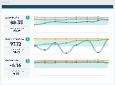


To build a successful Voice of the Customer (VoC) program, you need to integrate omnichannel feedback collection, AI analysis, and action into a continuous loop, transforming raw input into measurable improvements. Remember, the goal of these programs is to capture and act on feedback to create experiences customers value and remember. By combining omnichannel data streams with AI-driven analytics, organizations can anticipate needs, respond faster, and strengthen relationships at scale.
What are the core components of an effective Voice of the Customer (VoC) program?
The core components of an impactful VoC framework typically include:
- Data Collection: Gathering feedback across surveys, support interactions, social media, sales calls, and digital touchpoints
- Data Integration: Consolidating structured and unstructured feedback into a single system for analysis
- Intelligent Analysis: Using AI/NLP to detect sentiment, emotion, and intent behind customer words
- Action Planning: Translating insights into targeted initiatives that address root causes
- Performance Measurement: Tracking changes in satisfaction, loyalty, and operational efficiency over time
How can proactive outreach enhance Voice of the Customer (VoC) programs?
Proactive outreach uses VoC insights to identify moments when customers are most receptive to help, offers, or education. This form of outreach re-enforces that VoC isn’t just about listening, it’s about engaging before problems escalate. For example, detecting frustration in a recent interaction may trigger a same-day follow-up to resolve the issue. Personalized outreach based on customer history can drive higher retention, stronger loyalty, and increased lifetime value.
How does omnichannel engagement improve the accuracy of Voice of the Customer (VoC) insights?
Omnichannel engagement improves the accuracy of VoC insights by providing a fuller, more representative picture of customer needs, reducing the bias inherent in single-channel collection strategies. Customers often share feedback indirectly across channels such as chat, email, and social - sometimes without contacting support at all. Tracking these interactions alongside traditional survey responses ensures no signal is missed.
What are best practices for building a Voice of the Customer (VoC) action plan?
Follow these best practices to build a successful VoC action plan:
- Prioritize by impact and focus first on issues that affect the largest customer segments or highest-value relationships.
- Set measurable goals and define success using KPIs like CSAT, NPS, churn rate, or repeat purchase frequency.
- Close the feedback loop by communicating changes to customers so they know their feedback mattered.
- Review continuously and treat VoC as an ongoing process, not a one-time project.